The office sector continues to evolve as companies redefine how, where, and why employees gather in person. While the traditional full-time office model has contracted in many markets, hybrid work — a blend of in-office and remote operations — has become the new standard.
What’s Happening
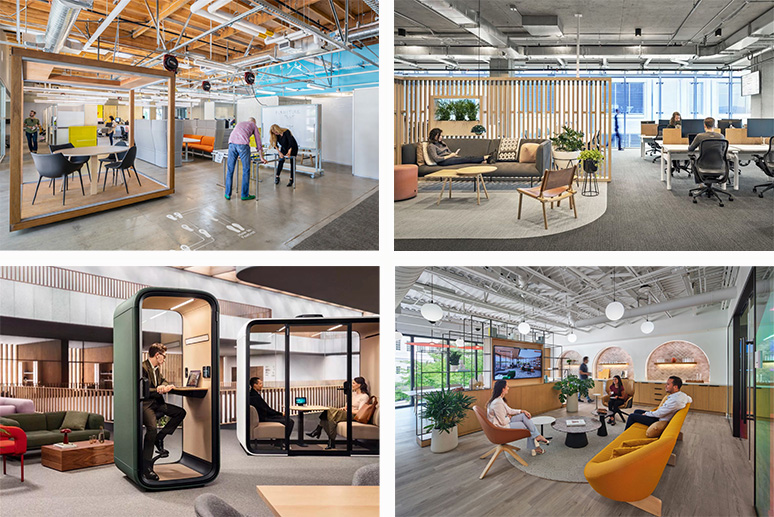
Demand is no longer centered around sheer square footage. Instead, tenants are prioritizing quality, flexibility, and experience.
- Shift to Class A buildings: Modern, well-located properties with strong amenity packages are outperforming older inventory.
- Wellness-driven design: Certifications such as WELL Certification and Fitwel, improved air filtration systems, access to natural light, and touchless technologies are becoming key differentiators.
- Flexible layouts and lease structures: Companies want adaptable floor plans and shorter-term commitments that allow them to scale up or down as needed.
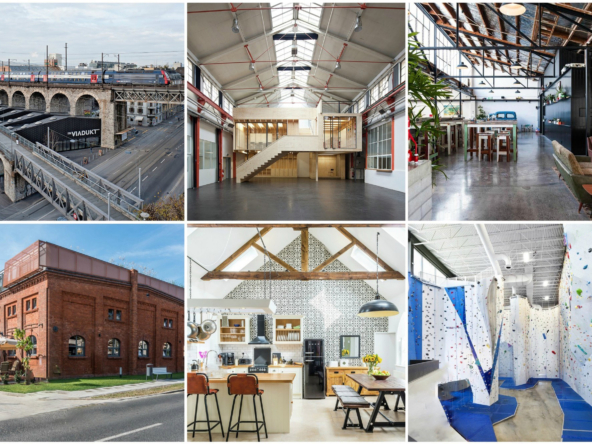
- Office-to-other-use conversions: Older or underperforming buildings are increasingly being repositioned as residential, mixed-use, hospitality, or specialty spaces.
Why It Matters
Today’s occupiers are focused on agility. Smaller footprints, collaborative layouts, and amenity-rich environments help attract and retain talent in a competitive labor market.
For owners and investors, the stakes are higher. Buildings that lack modern infrastructure, sustainability features, or flexibility may struggle to compete. Long-term fixed leases in outdated spaces can limit repositioning opportunities and increase vacancy risk.
At the same time, conversion projects offer new value-creation pathways — but they require careful navigation of zoning regulations, capital markets, construction feasibility, and design constraints.
What to Watch
- Lease term evolution: Expect continued growth in shorter leases, modular space options, and flexible deal structures.
- Wellness and ESG performance: Air quality, energy efficiency, and green certifications will increasingly influence tenant decisions.
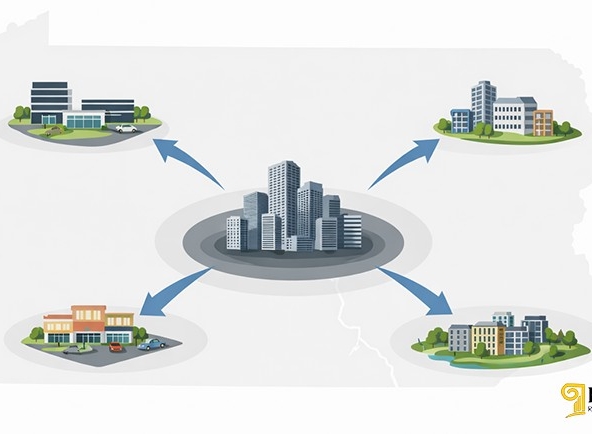
- Location trends: Suburban and secondary markets may benefit as companies seek convenience, accessibility, and cost efficiency.
- Conversion feasibility: Structural integrity, floorplate depth, window lines, plumbing infrastructure, and local zoning will heavily influence whether an office-to-residential or mixed-use conversion makes financial sense.