As 2026 comes to a close, now is a good time for businesses and commercial property owners to look ahead and evaluate their real estate plans for 2027. Whether you lease office space, operate an industrial facility, own commercial property, or anticipate a change in your business, planning ahead can help you make more informed decisions and avoid unnecessary last-minute pressure.
Commercial real estate decisions often involve long timelines, significant expenses, and multiple considerations. Starting the process early gives businesses more time to evaluate their options, understand their needs, and prepare for what comes next.
Here are five commercial real estate decisions businesses and property owners should start planning before the end of the year.
1. Review Upcoming Lease Expirations
If your business leases commercial space, reviewing your lease expiration date should be one of your first priorities. Waiting until the final months of a lease can limit your options, particularly if you need to find a new property, negotiate a renewal, or coordinate a move.
Start by reviewing your current lease, including its expiration date, renewal options, notice requirements, and any provisions that could affect your next steps. Some leases require advance written notice if a tenant intends to renew or vacate, so understanding these deadlines is important.
If your lease is approaching expiration, consider whether your current space continues to meet your business needs. Even if you are satisfied with your location, exploring the market early can help you better understand available options and determine whether renewing your lease makes the most sense.
The takeaway: Know your lease deadlines and begin evaluating your options well before you need to make a final decision.
2. Decide Whether to Renew, Relocate, or Expand
As businesses plan for the year ahead, it is worth considering whether their current commercial space still supports their operations. A location that worked well several years ago may no longer be the right fit as a business grows, changes its staffing needs, or adjusts how it operates.
Before committing to another lease term, evaluate the advantages and disadvantages of staying versus relocating.
Consider the following questions:
- Is your current space the right size? Determine whether you have enough room for employees, inventory, equipment, customers, or future growth.
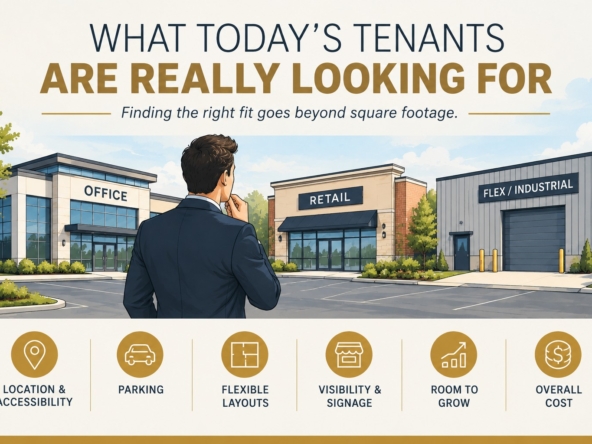
- Does your location still work for your business? Consider accessibility, parking, visibility, transportation routes, and proximity to employees or customers.
- Would relocating provide meaningful benefits? A different property may offer a more functional layout, improved amenities, or features that better support your operations.
- Could expanding or downsizing make sense? Changes in staffing, production, or business operations may affect how much space you need.
Relocating can offer advantages, but it also comes with expenses such as moving costs, build-out requirements, new furniture or equipment, and potential business disruptions. Renewing a lease may provide continuity, while negotiating new terms could offer an opportunity to better align the space with your needs.
Comparing these factors early can help you make a decision based on your business goals rather than an approaching deadline.
3. Evaluate Your Space Requirements for 2027
Planning for the year ahead involves more than reviewing your current space. Businesses should also consider how their real estate needs may change over the next 12 to 24 months.
For example, a growing company may need additional office space, a manufacturer may require more production or storage capacity, or a business may discover that its current layout no longer supports its workflow.
Think about anticipated hiring, changes in inventory, new equipment, customer traffic, and any operational changes planned for the coming year. These factors can influence the type, size, and location of commercial property that makes sense for your business.
It is also important to identify property-specific requirements early. Depending on your operations, these may include:
- Parking availability and accessibility
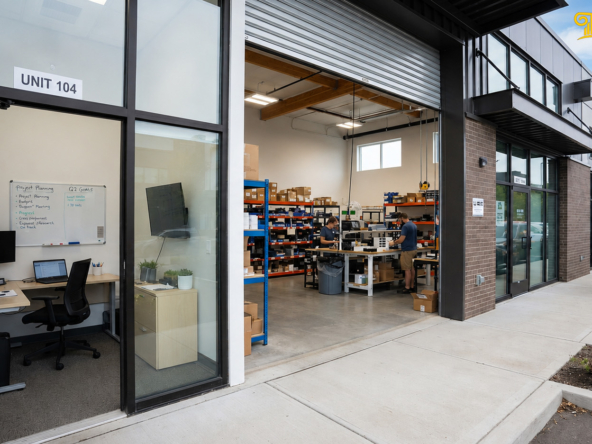
- Loading docks, drive-in doors, or warehouse space
- Electrical capacity and other building systems
- Zoning and permitted uses
- Office layout, conference rooms, and employee amenities
- Transportation access and proximity to major roadways
Not every property will accommodate every business requirement. Identifying your priorities before beginning a property search can help narrow your options and make the process more efficient.
Even if you do not anticipate an immediate move, evaluating your future space requirements now can help you prepare for opportunities as they arise.
4. Review Your Commercial Real Estate Costs and Budget
Commercial real estate expenses can have a significant impact on a business’s operating budget. As you prepare for 2027, take time to review your current occupancy costs and determine whether they align with your financial plans.
For tenants, the cost of commercial space extends beyond the advertised rental rate. Depending on the lease structure, additional expenses may include common area maintenance (CAM) charges, property taxes, insurance, utilities, maintenance, and other operating costs.
When evaluating a lease renewal or a potential relocation, compare the total expected cost of occupancy rather than looking at rent alone. A property with a lower base rental rate may not necessarily be the less expensive option once additional expenses are considered.
Property owners should also review anticipated maintenance, capital improvements, taxes, insurance, and other ownership expenses. Addressing necessary repairs and planning for larger expenditures can help avoid unexpected costs during the coming year.
As part of your review, consider:
- Current rent and anticipated lease increases
- Additional lease expenses and operating costs
- Maintenance and repair needs
- Potential moving or build-out expenses
- Improvements that may be needed to support business growth
- The financial impact of renewing, relocating, or changing property use
Having a clearer picture of these costs can help you evaluate your options, establish realistic budgets, and make better-informed decisions before entering into a new lease or committing to a property.
5. Prepare Your Commercial Property for Sale or Lease
For commercial property owners considering a sale or seeking new tenants, the end of the year can be a useful time to evaluate the property’s condition, market position, and overall readiness.
Preparing a property for sale or lease often involves more than placing a listing on the market. Owners should consider how the property compares with competing options and whether any improvements or updates could make it more appealing to prospective buyers or tenants.
Start by reviewing the property’s condition, identifying needed repairs, and gathering important information about the building. Depending on the property, this may include floor plans, square footage, utility information, zoning details, operating expenses, and existing lease information.
It is also worth evaluating the property’s pricing strategy and how it will be marketed. Accurate listing information, quality photography, professional marketing materials, and a clear presentation of the property’s features can help prospective buyers and tenants understand its value.
Before bringing a property to market, consider:
- Addressing maintenance issues and necessary repairs
- Reviewing comparable properties and current market conditions
- Organizing property documents and financial information
- Identifying the property’s most marketable features
- Establishing an appropriate asking price or rental rate
- Developing a marketing strategy that reaches the right audience
Starting these preparations early gives owners more time to address potential issues and develop a plan for bringing their property to market.
A commercial real estate professional can also help evaluate the property’s position in the market, identify potential opportunities, and develop a strategy based on the owner’s goals.
Start Planning Now for a Stronger 2027
The end of the year provides an opportunity to step back, review your current situation, and determine what you want to accomplish in the year ahead. Whether you are approaching a lease expiration, considering a move, planning for business growth, reviewing occupancy costs, or preparing to sell or lease a property, starting early can give you more flexibility and time to evaluate your options.
Commercial real estate decisions are rarely one-size-fits-all. The right approach depends on your business objectives, financial considerations, property requirements, and long-term plans.
Working with a commercial real estate professional can help you better understand your options, evaluate available opportunities, and navigate the process with greater confidence.
Planning a commercial real estate move for 2027? Pillar Real Estate Advisors works with businesses, tenants, landlords, and property owners to navigate commercial real estate sales, leasing, and property decisions. Contact our team to discuss your goals and explore the options available to you.