Leasing commercial space is one of the most important decisions a business can make. The right location and layout can support growth, improve operations, and enhance customer experience. The wrong lease, however, can create long-term financial and operational challenges that are difficult to unwind.
In today’s market, tenants have more options than ever—but also more complexity to navigate. Understanding the most common leasing mistakes can help businesses avoid costly missteps and secure space that actually supports their goals.
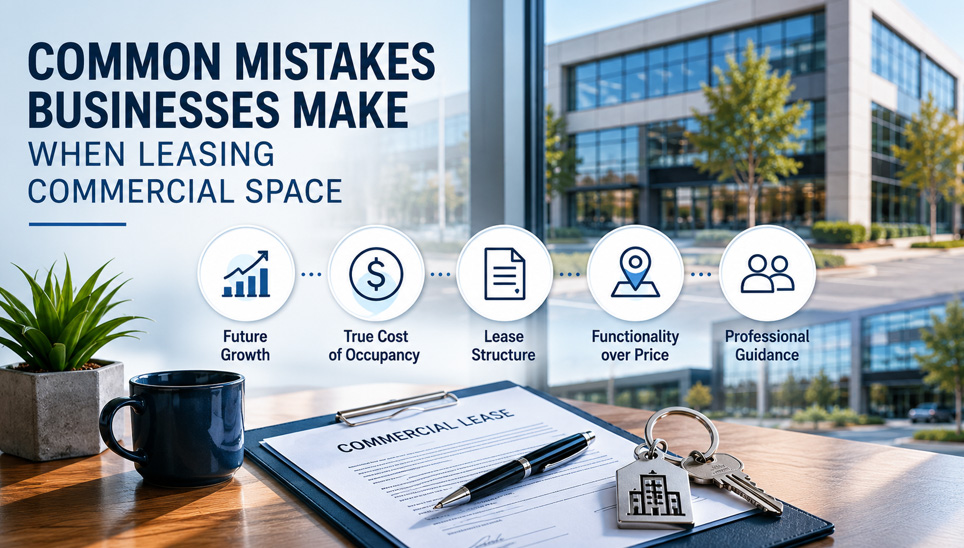
Not Planning for Future Growth
One of the most frequent mistakes businesses make is leasing based only on current needs.
A space that works today may become restrictive within a year or two if growth isn’t considered upfront. This can lead to:
- Early lease termination challenges
- Unexpected relocation costs
- Operational inefficiencies
A well-structured lease should account for where the business is headed, not just where it stands today.
Overlooking the True Cost of Occupancy
Monthly rent is only part of the picture.
Many tenants focus heavily on base rent without fully accounting for additional expenses such as:
- Common Area Maintenance (CAM) charges
- Property taxes (in certain lease structures)
- Insurance
- Utilities and maintenance responsibilities
These costs can significantly impact the total occupancy expense and should be reviewed carefully before signing a lease.
Not Understanding Lease Structure
Lease structure plays a major role in financial responsibility, yet it is often overlooked or misunderstood.
Common structures include:
- Gross leases (simpler, all-inclusive rent)
- Modified gross leases (shared responsibilities)
- NNN leases (Triple Net) where tenants cover additional property expenses
Without a clear understanding of how these structures work, tenants may underestimate their true monthly obligations.
Focusing Only on Price Instead of Functionality
While budget is always a key factor, choosing space based solely on price can lead to long-term issues.
Other critical factors include:
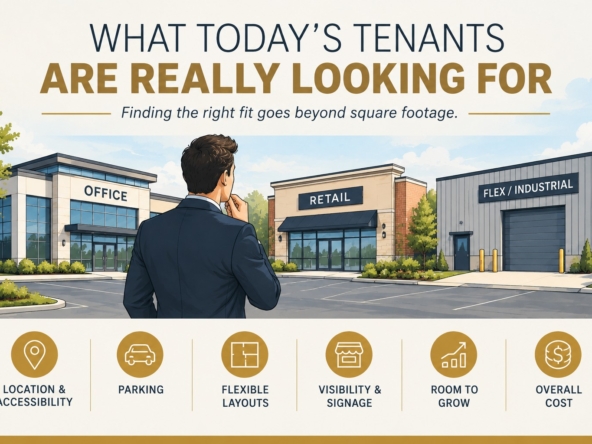
- Visibility and signage opportunities
- Parking availability
- Accessibility for customers and employees
- Zoning and permitted uses
- Layout and usability of the space
A less expensive space that doesn’t support daily operations can ultimately cost more in lost efficiency and opportunity.
Skipping Professional Guidance
Commercial leasing involves negotiation, market knowledge, and legal considerations that can be difficult to navigate without experience.
Working with a commercial real estate advisor can help businesses:
- Identify suitable properties faster
- Understand market pricing and terms
- Negotiate more favorable lease conditions
- Avoid hidden costs or unfavorable clauses
In many cases, having the right representation leads to better outcomes and fewer surprises after move-in.
The Bottom Line
A commercial lease is more than just a monthly payment—it’s a long-term commitment that directly impacts how a business operates and grows.
Avoiding common mistakes comes down to preparation, education, and strategy. Businesses that take the time to fully understand their space needs and lease terms are far better positioned for long-term success.
The right space isn’t just about finding a location that works today—it’s about securing one that continues to support the business well into the future.
To help avoid common pitfalls and make informed leasing decisions, working with an experienced commercial real estate advisor can make a meaningful difference. At Pillar Real Estate Advisors, our team provides guidance, market insight, and representation throughout the leasing process. If you’re exploring space options, we’re here to help.